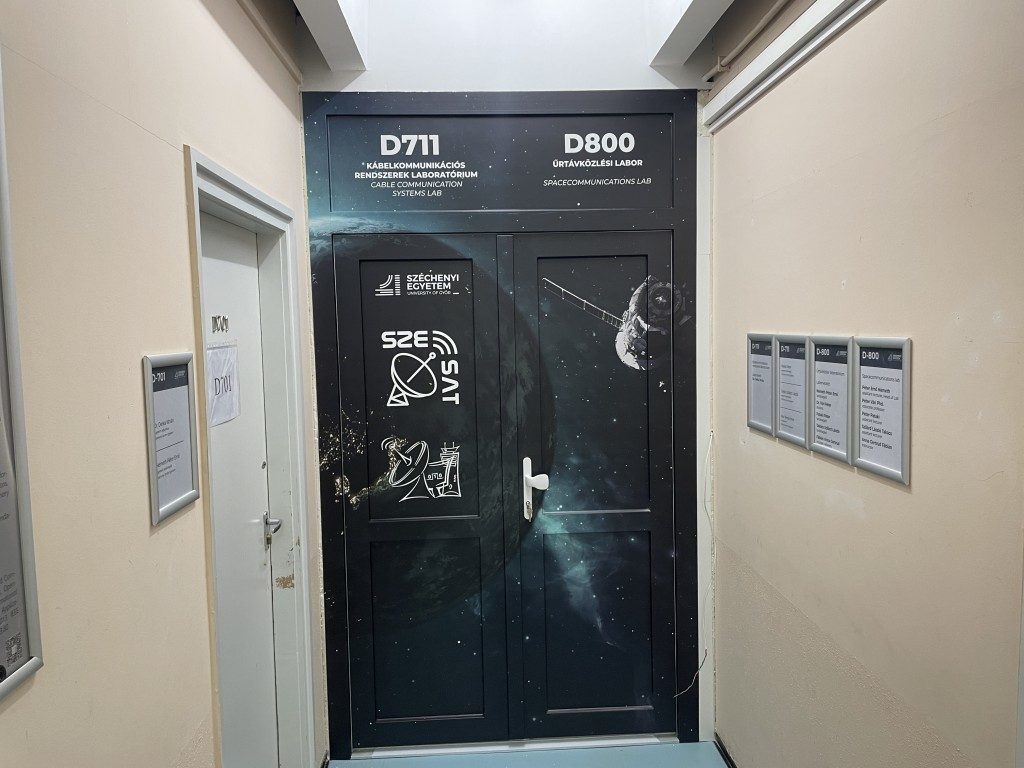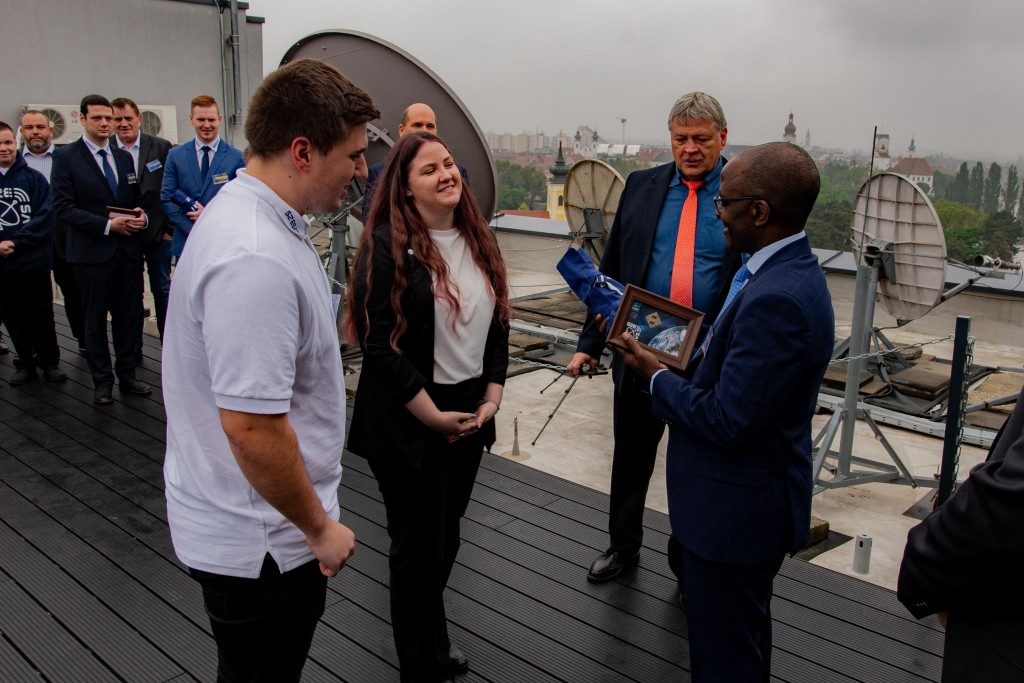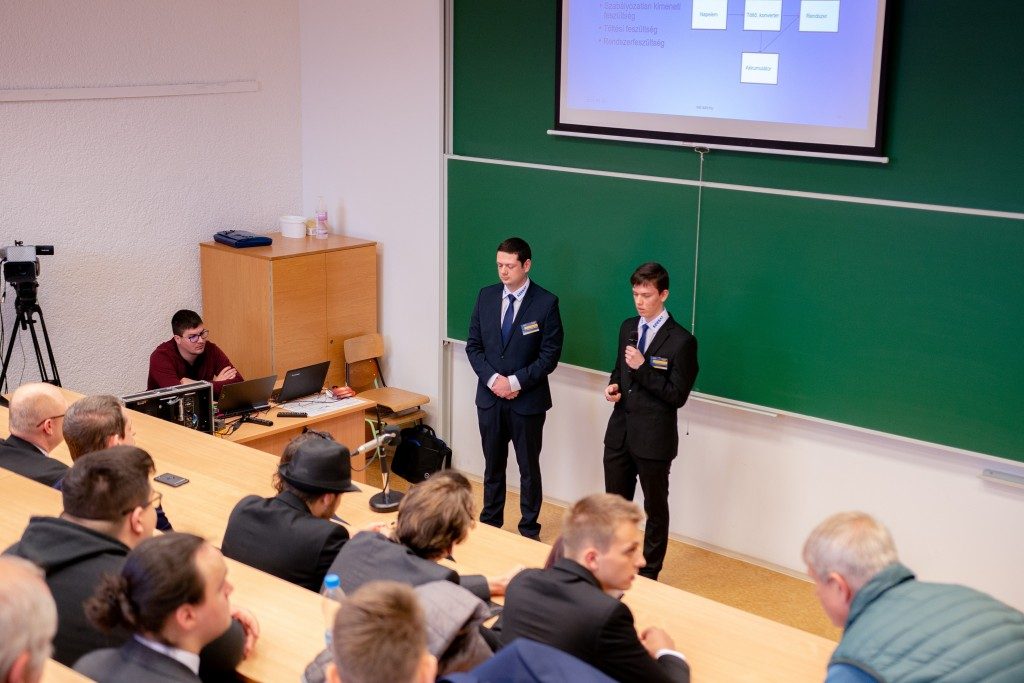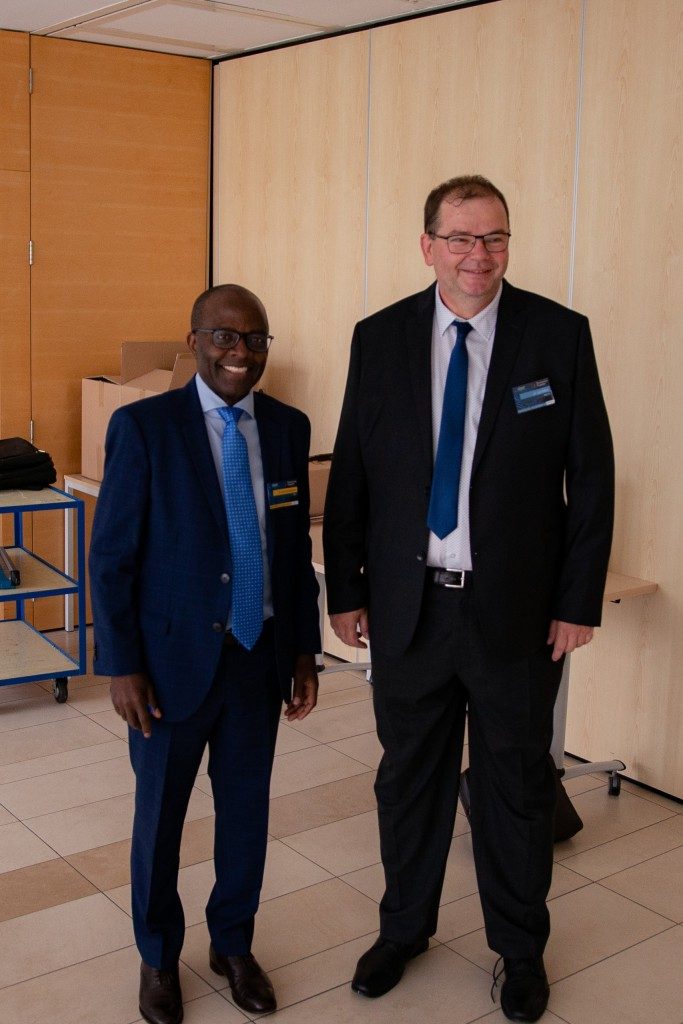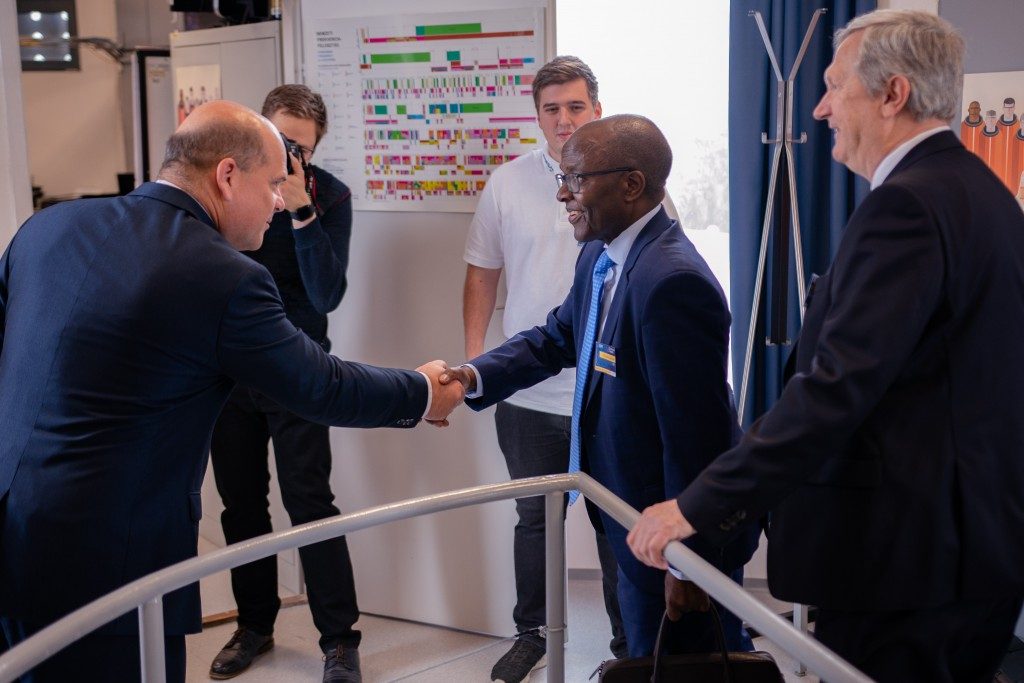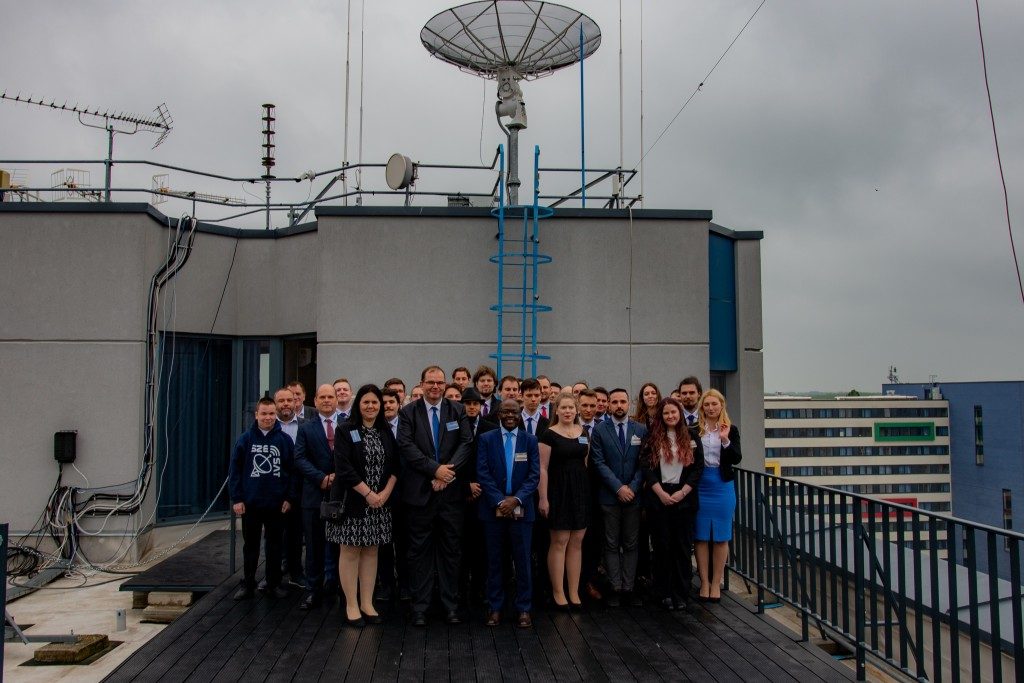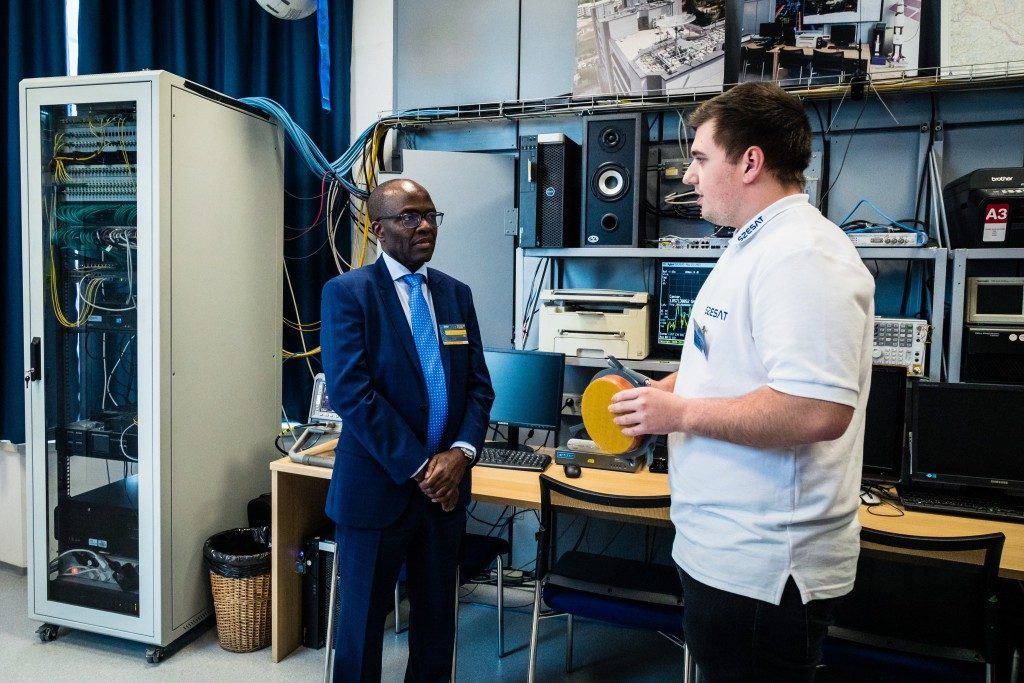
Already last September we started planning what presentations we could contribute to enrich the World Telecommunication Day event held in May. We wanted to report on the student developments that took place. We approached the organizers of World Telecommunication Day, who, true to tradition, gave us the opportunity to present in the student section. This year is special for us, as we can welcome the Director of ITU-D, Dr. Cosmas Zavazava, as our guest in a renewed environment.
1) Life after MRC-100, Zoltán Nagy, Ágoston Koppány Szűcs
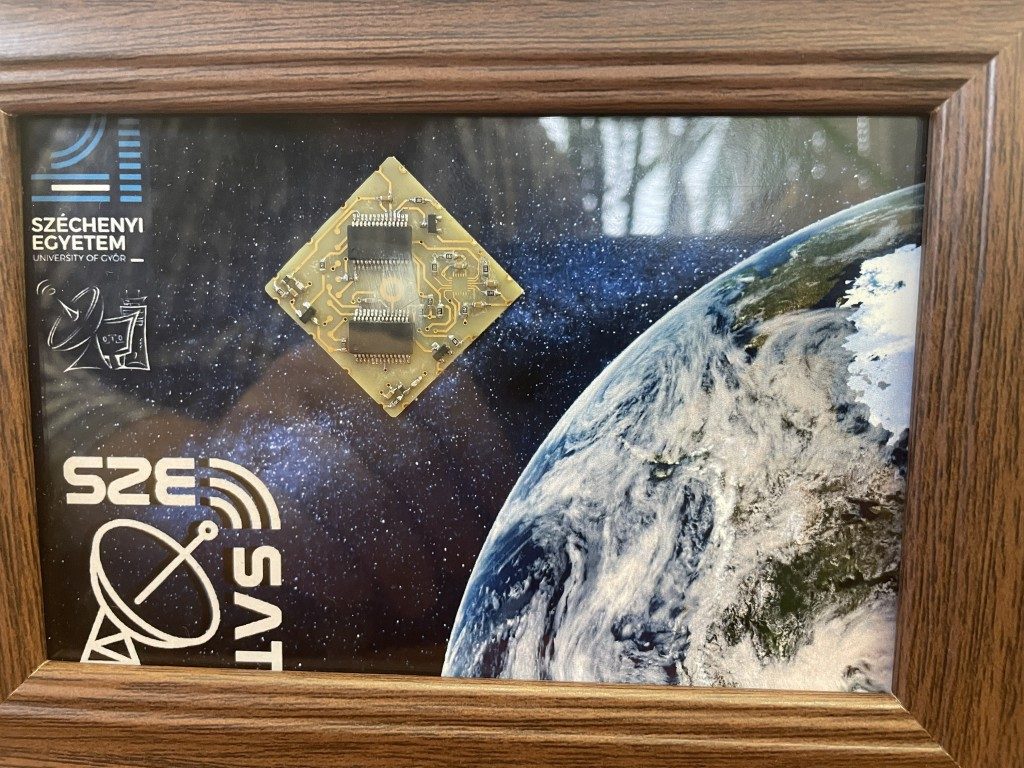
The MRC-100 satellite, containing the Győr module, will soon be launched. During the presentation we can learn what tests the module underwent before it went into space. The development of the module brought the students closer to starting the development of their own satellite. We can find out what tasks await them from their presentation. Their presentation can be viewed here:
2) Dancers on the roof, or a terrestrial satellite ground station. Kornélia Csonták, Lóránt Birkás
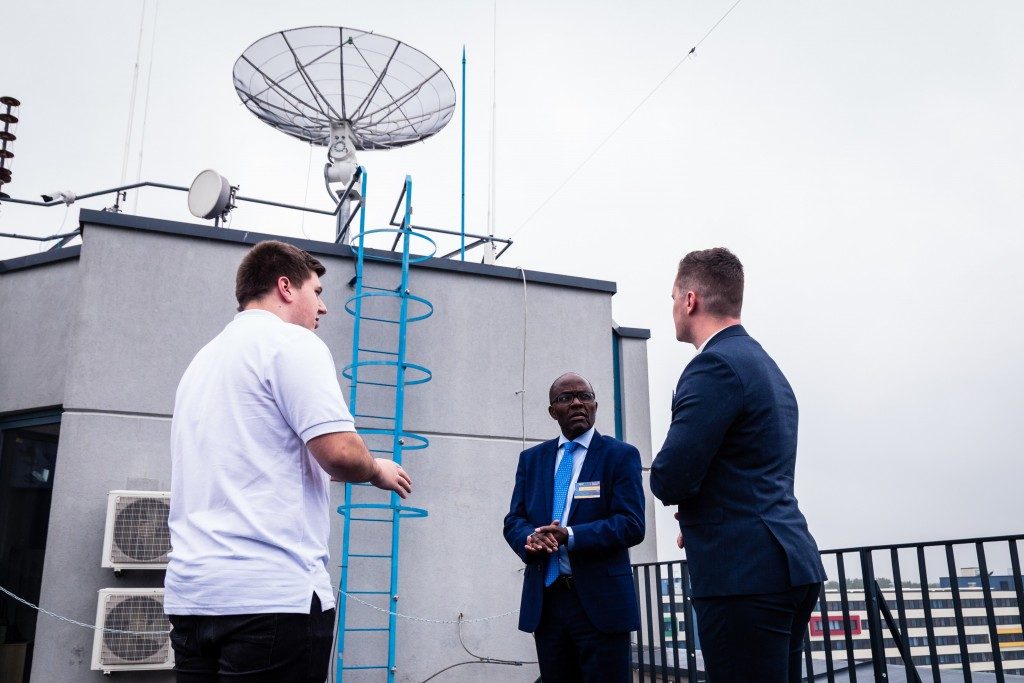
We would like to receive the signals of the MRC-100 satellite, including those of the Győr module. This requires development of the existing ground station, since these signals can be received in two bands simultaneously. An interesting aspect of the implementation is that the Yagi antenna group must be moved and tracked in sync with the parabolic antenna to follow the satellite flying overhead. Their presentation can be viewed here:
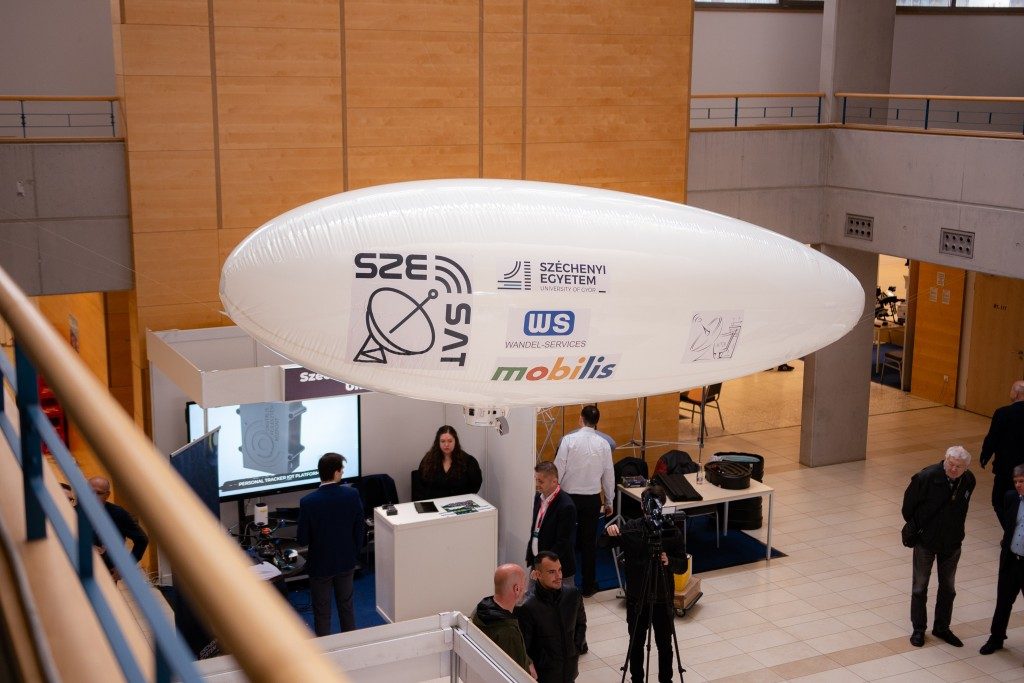
3) Airship design considerations, Péter Béres, Martin Magyar
In their presentation they showed what challenges they encountered when building an outdoor airship. Buoyancy is still provided by helium. In the case of an outdoor airship, various legal requirements must also be met. An outdoor airship must be stronger on one hand and remain lightweight on the other. These considerations also guided the design of the gondola. Their presentation can be viewed here:
4) Almost a satellite, Dániel Doma, Gergely Jenőfalvi, András Simon
Every satellite build is preceded by balloon tests, where the various modules, sensors and communication protocols are tested. Our presenters showed the results of these experiments in their presentation. Their presentation can be viewed here:
5) Pirates on the satellite, Zsolt Csoma, Ádám Bombay
The film Captain Phillips inspired the students to build a receiver station that could also detect sea pirates in advance. The students successfully received maritime and aviation signals and messages broadcast from the Inmarsat satellite. We can reassure everyone that no pirates were detected in the waters around Győr. No Mayday message was received from our area either. Their presentation can be viewed here:
6) What's happening over our heads? - Possibilities of Hungarian drone regulation, Orsolya Erős, Leon Maslov
When reviewing the regulation of outdoor airship flying, it is essential to understand drone regulation as well. We also get a picture of how one can request ad hoc airspace use. The conditions for crossing borders are also discussed in the presentation. Their presentation can be viewed here:
Of course, thanks to all our SZESAT members and teachers who helped the presenters prepare their presentations!
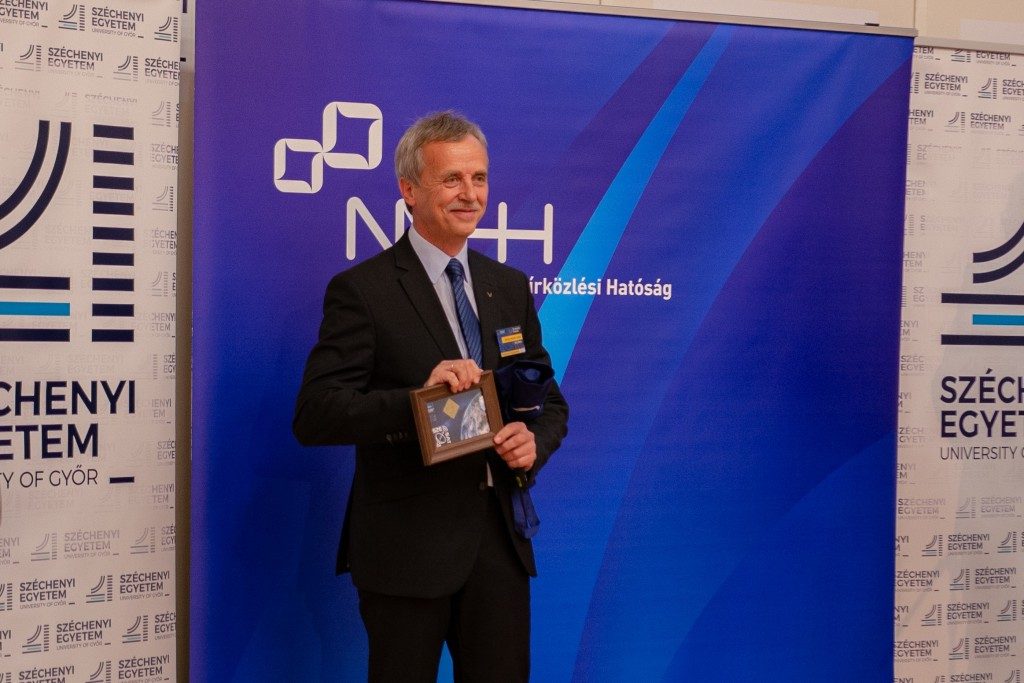
In a few photos, we try to convey the atmosphere of World Telecommunication Day.
The archive reports are based on the college’s contemporary documentation.