Per Aspera Ad Astra
MRC-100 background
How the first SZESAT module travelled from the Győr lab to Earth orbit.
The road, step by step
2021
Balloon experiments and AstroHub
In 2021 we completed the mandatory balloon experiments and took part in online training at AstroHub. We wanted to seize the opportunity to design and deliver a module for the BME satellite planned for launch in 2022.
2021–2022
Racing the clock
We had little information about how far the other three universities had got with their own modules — we were all racing against time. Just when we thought the finish line was near, we realised we could start the work all over again.
2022
Component shortage
We had 'forgotten' that although webshops listed a wide range of microcontrollers and microprocessors, delivery times were measured in months, immediate delivery cost a fortune, or the part was simply unavailable.
2022
New direction, new team members
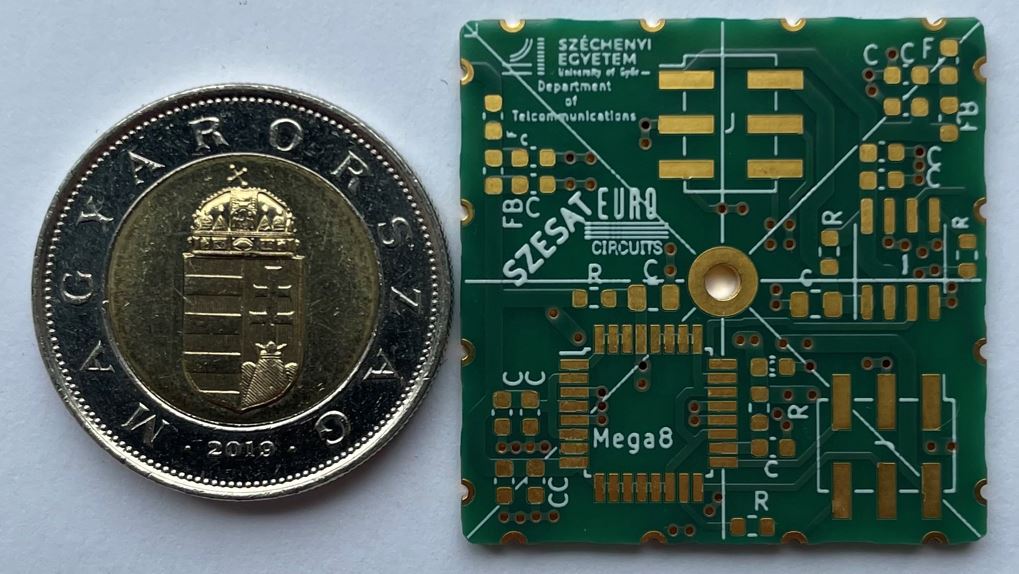
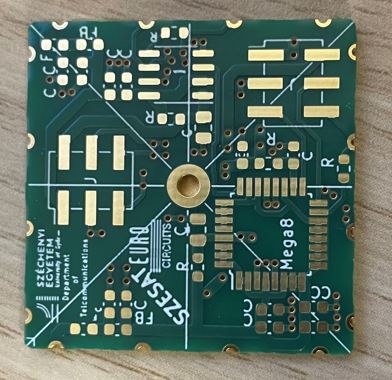
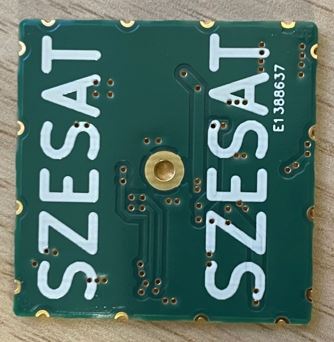
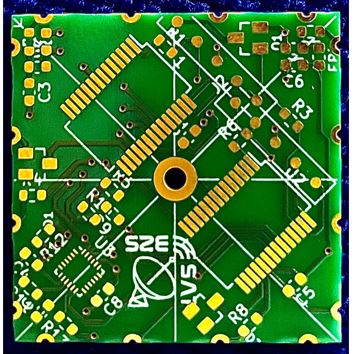
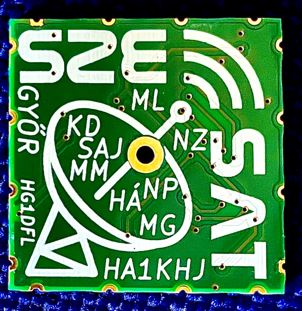
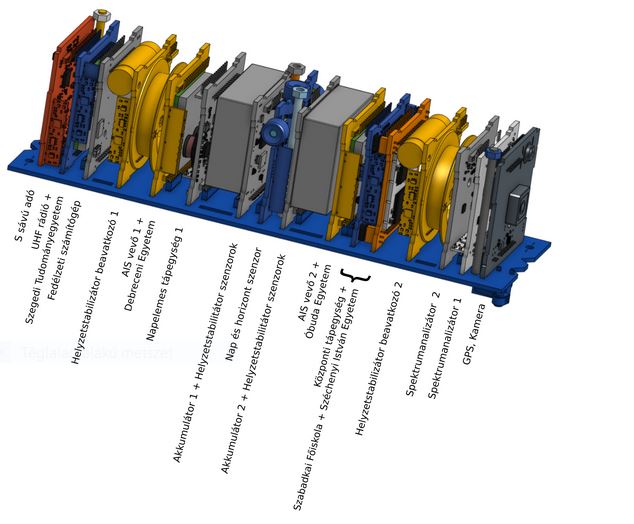
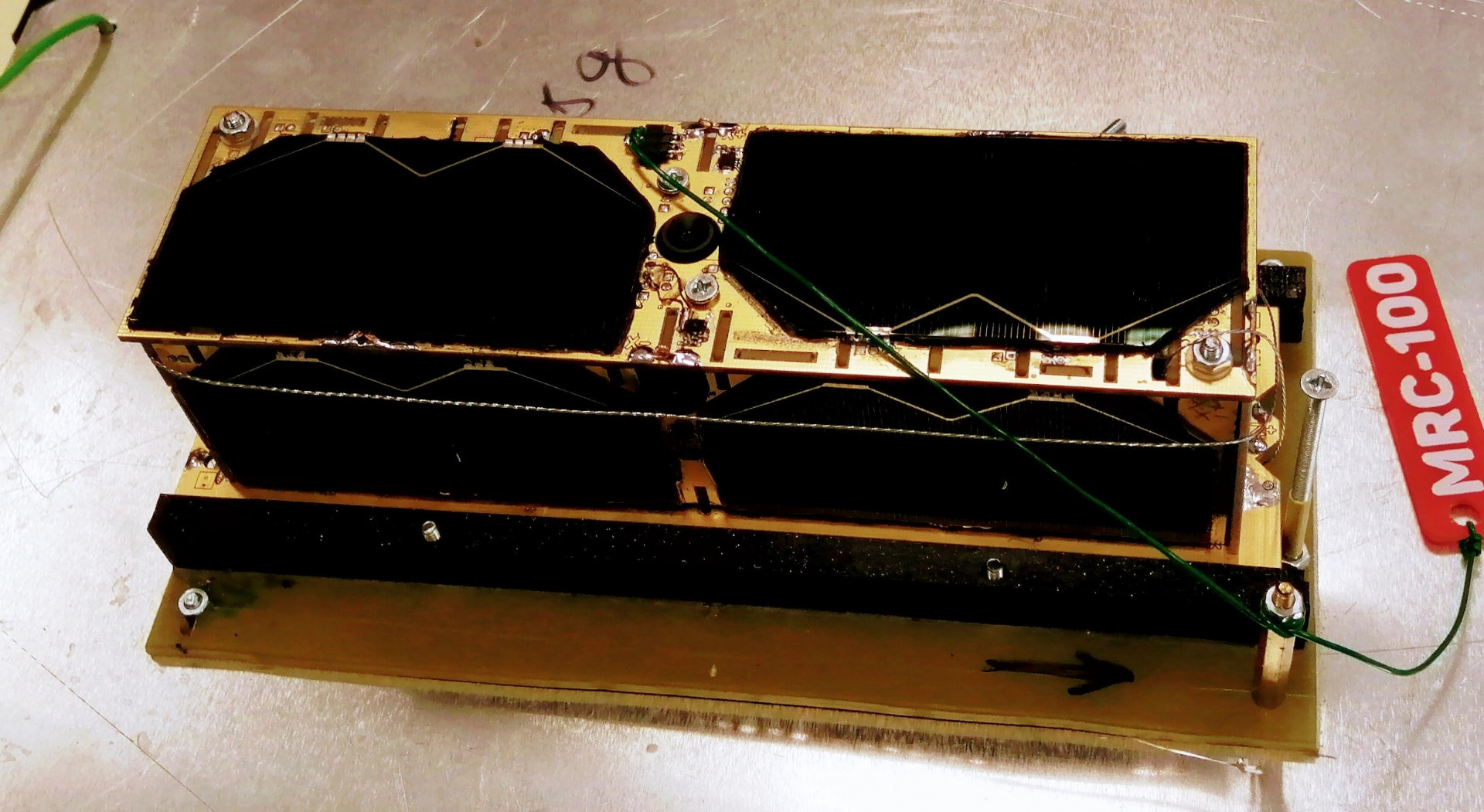
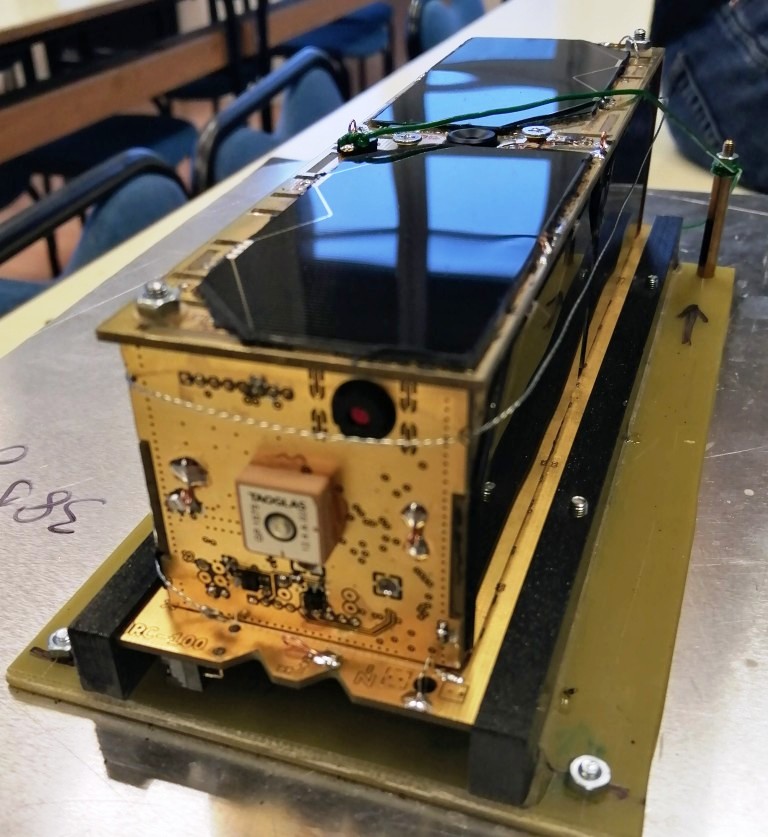
We had to decide fast and focus on the microprocessor actually available, which required new team members for the programming. The first version of the module was finished and a test unit was handed over to BME. Naturally we built more than one, so we kept testing our own copies too. Meanwhile BME published the structure of the MRC-100 satellite and the position of our module inside it.
2 December 2022
Farewell to the module
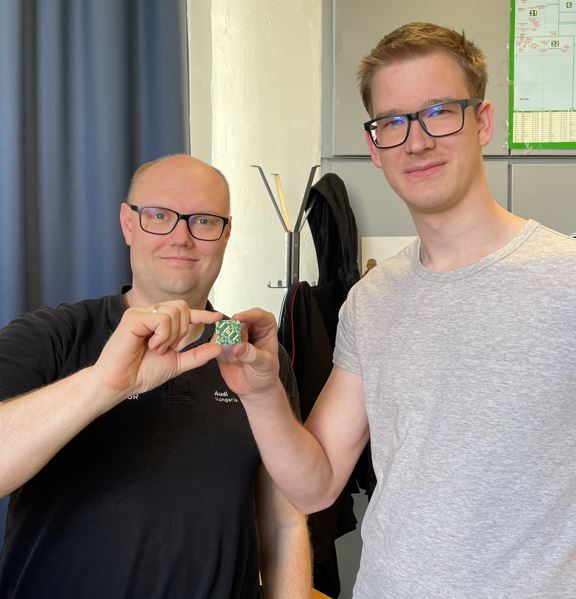
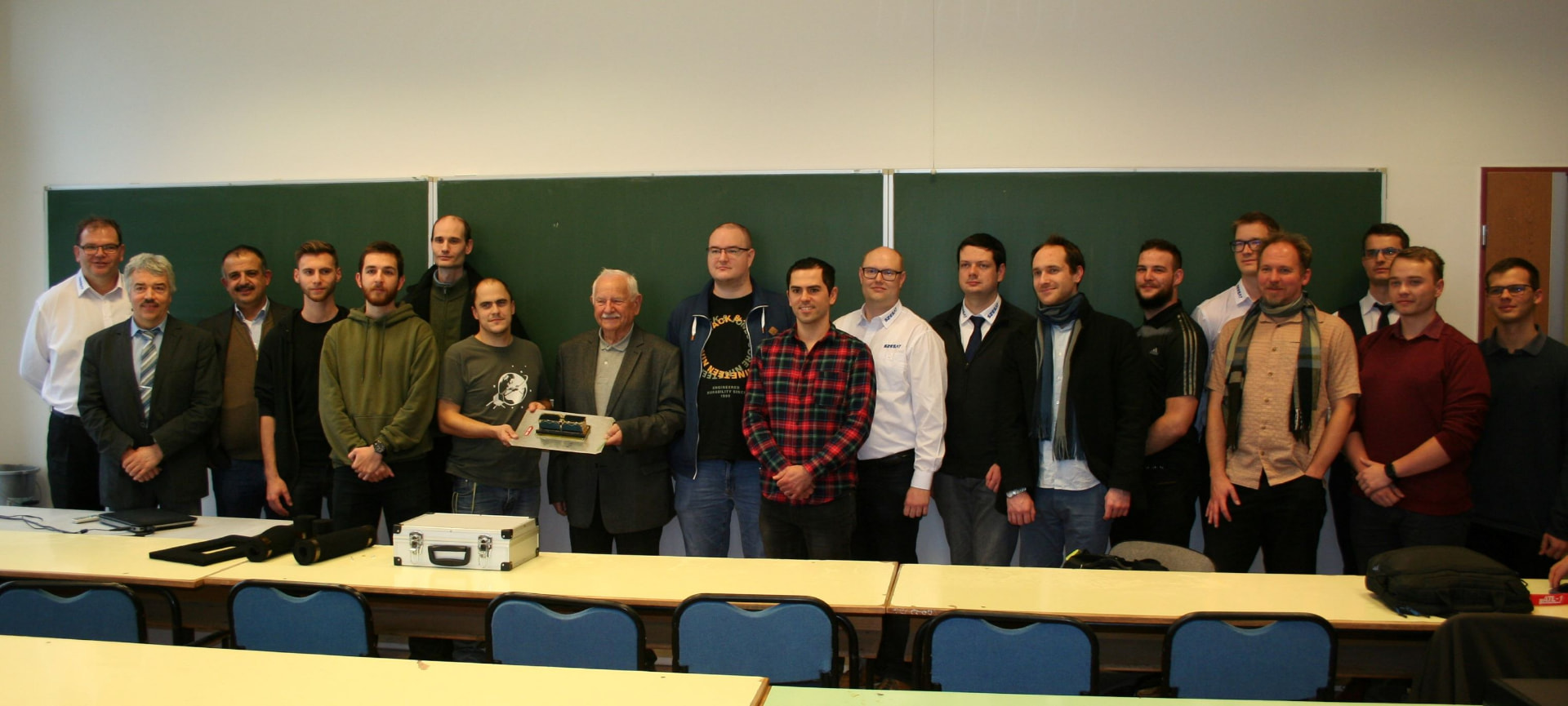
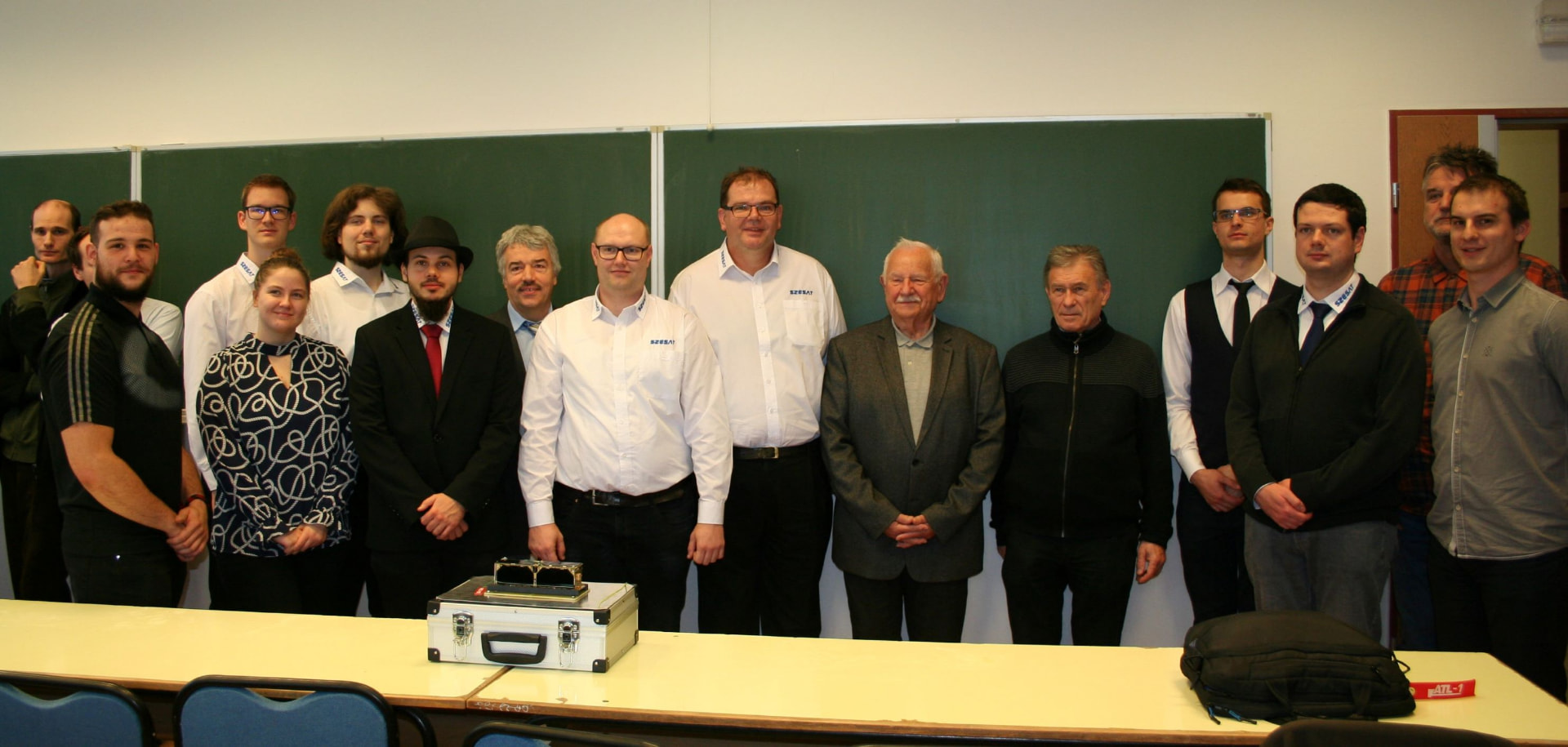
After the tests, the module and the new software version for its microcontrollers were completed on schedule. On 2 December we said a ceremonial goodbye to our module at the Budapest University of Technology. On board the MRC-100 it travelled via Glasgow to SpaceX to begin its career in the sky.
12 June 2023
Launch
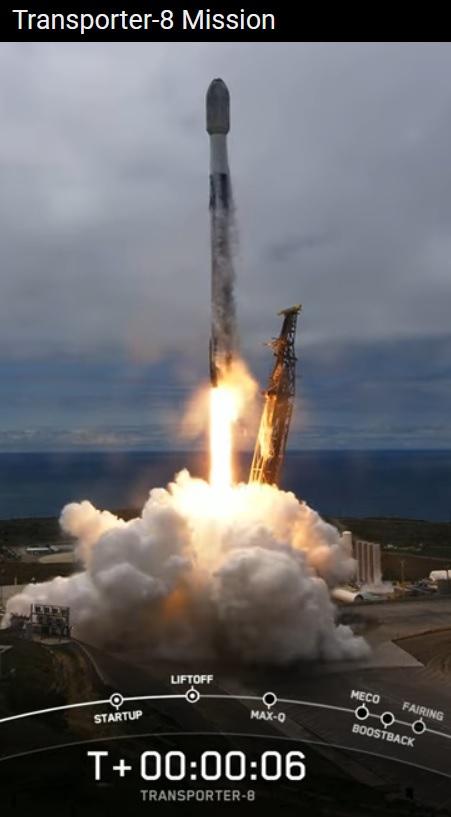
After a long wait the big day arrived. We followed the events online while being there in spirit. The launch was carried out by a SpaceX Falcon 9 from Vandenberg Space Force Base in California at 23:35 Hungarian time. The rocket reached space in three minutes, and an hour and a half later the Italian satellite carrying MRC-100 entered orbit. Although we had all seen rocket launches before, this one was special — it carried the work of our own hands.
22 June 2023
The satellite comes alive
The door opened and the Italian satellite released MRC-100. Once the battery reached the required charge level, the satellite started operating on 22 June 2023. Our ground station was prepared to receive the VHF/UHF and S-band signals.
Photos of the development and the farewell